According to the documentary account, the identification of Catherine Mary Doyle’s remains on April 19, 2026, brought a fifty-two-year disappearance to a decisive turning point.
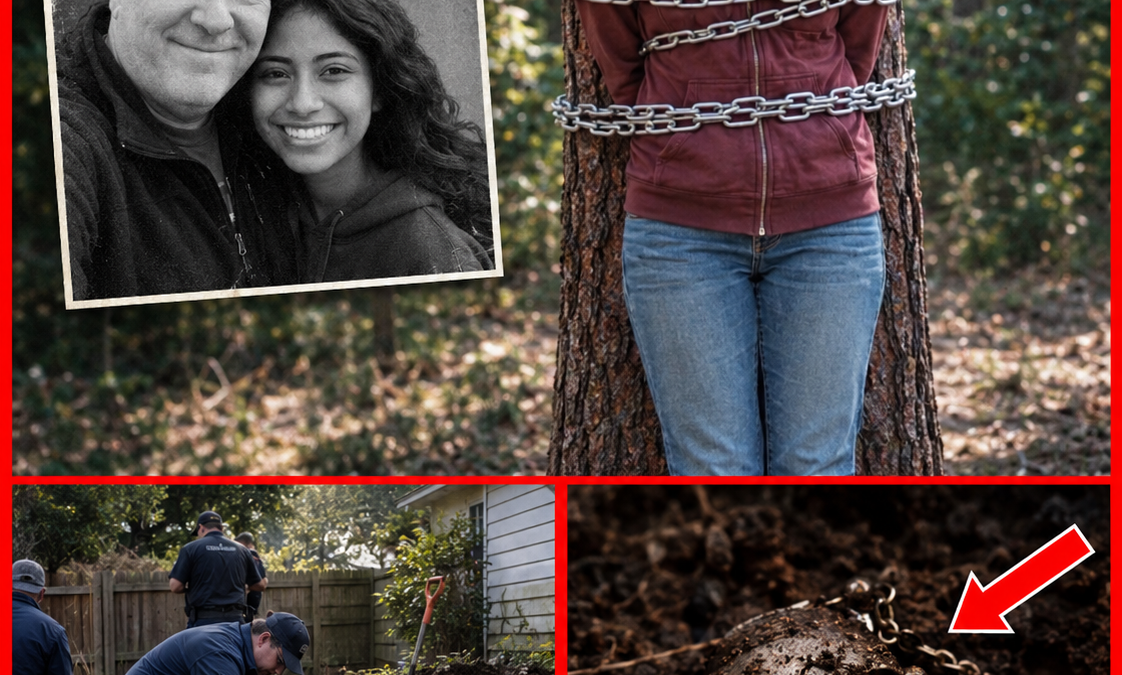
According to the documentary account, the identification of Catherine Mary Doyle’s remains on April 19, 2026, brought a fifty-two-year disappearance to a decisive turning point.
Catherine had vanished on September 14, 1974, after finishing work at a bakery in Rozelle, Sydney.
She was twenty-one years old and had plans to attend a concert that evening.
Her family never saw her again.
For decades, investigators had been unable to establish what happened after she left work.
Then forensic specialists examined a backyard on Marion Street in Leichhardt.
The documentary states that human remains were recovered and compared with DNA reference samples provided by Catherine’s relatives.
The testing reportedly confirmed her identity.
The discovery immediately focused attention on Douglas Prentice, a man whose name had appeared in the original investigative records.
Detective Sergeant Joanna Park had been reviewing the case as part of a cold case operation.
According to the narrative, she traveled to Penrith on the afternoon of April 19, 2026, after receiving the forensic confirmation.
Prentice was arrested at a retirement community at approximately 4:45 p.m.
The documentary describes him as seventy-three years old.
He was charged with Catherine’s murder and initially contested the allegation.
The account then states that, in September 2026, after further forensic examination and review of the evidence, Prentice pleaded guilty to murdering Catherine on or around September 14, 1974.
He was reportedly sentenced to life imprisonment.
These are claims made by the supplied documentary, not independently verified court findings.
The narrative also describes the impact of the discovery on Prentice’s daughter, Sandra Prentice Walsh.
She had grown up around the property where the remains were reportedly found.
According to the account, she learned about the discovery and her father’s arrest through a telephone call from investigators.
A familiar part of her childhood home had suddenly become connected to a disappearance that began before she could have understood its significance.
For Catherine’s family, the discovery was equally devastating.
Her younger brother, Paul Doyle, had lived for decades without knowing what happened to his sister.
The documentary describes him speaking during the sentencing proceedings and recalling the ordinary details of Catherine’s final day.
She had finished her shift.
She had carried bread rolls home for her roommates.
She had expected to attend a concert.
Those details mattered because they preserved the life Catherine had been living before she disappeared.
She had plans extending beyond that Saturday afternoon.
Her family had expected to see her again.
The source account presents the discovery beneath the garden as the evidence that finally connected Catherine’s disappearance to a specific location and suspect.
But the transcript alone cannot establish the authenticity of the reported 2026 prosecution or sentence.
What remains clear within the narrative is the contrast between Catherine’s ordinary final afternoon and the decades of uncertainty that followed.
A young woman left work carrying a paper bag of bread.
Her family spent more than half a century searching for an explanation.
And the documentary claims that the answer had been hidden beneath the ground of a suburban home throughout those years.