COMBINED PART 2 & 3 — THE SECRET BEHIND THE NIGHT SHIFT
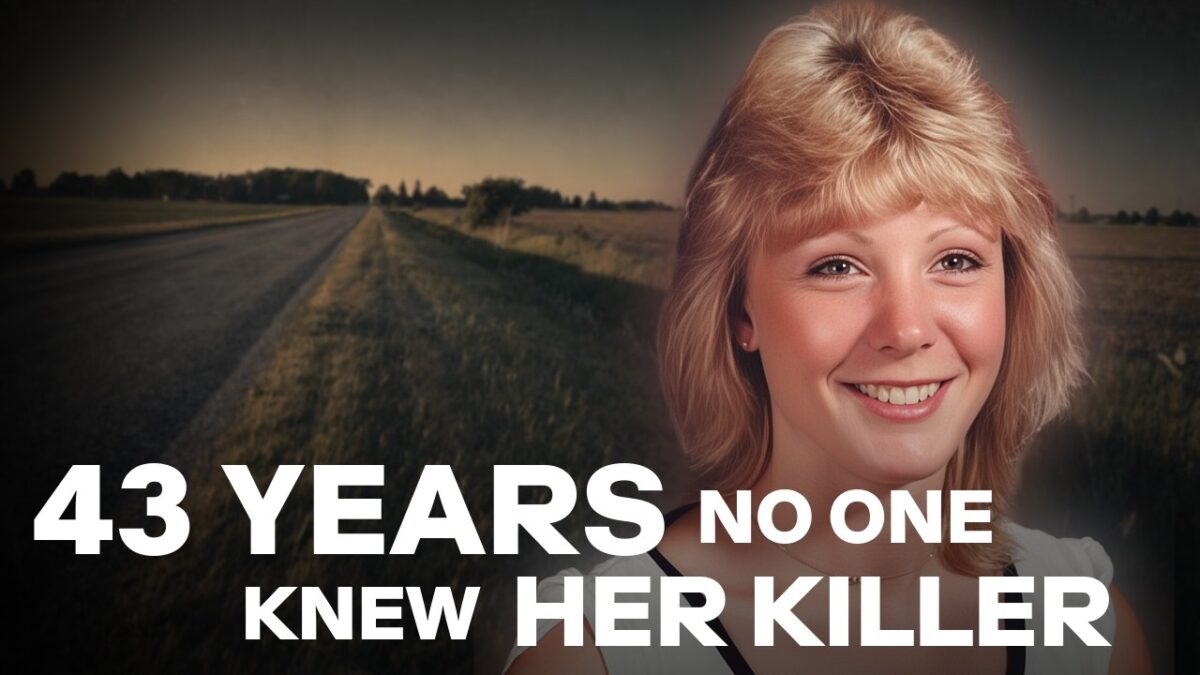
COMBINED PART 2 & 3 — THE SECRET BEHIND THE NIGHT SHIFT
Detectives investigating Natalie Brooks’s death initially believed her husband had a strong alibi.
Michael Brooks worked overnight at a warehouse, and several coworkers confirmed that he arrived for his shift on June 28, 2008.
But security footage revealed that Michael left the property at 1:17 a.m. and did not return for nearly two hours.
When questioned, he claimed he had gone to buy coffee.
No convenience-store camera recorded his visit.
Investigators obtained a warrant to search the storage unit connected to a hidden key discovered in the couple’s kitchen.
Inside were financial records showing that substantial loans had been obtained using Natalie’s identity.
The documents also revealed a private bank account and a large life insurance policy naming Michael as the beneficiary.
Natalie’s sister, Amanda, remembered their final telephone conversation.
Natalie had said she discovered something disturbing about the family’s finances and intended to confront Michael.
A forensic examination of Natalie’s computer revealed searches about identity theft, financial fraud, and legal separation.
Investigators also recovered a deleted email draft addressed to an attorney.
Natalie wrote that she believed her husband had used her personal information to obtain loans without permission.
The message had never been sent.
When detectives confronted Michael with the financial evidence, he changed his story.
He admitted leaving work but claimed he had driven around because he was upset about an argument with Natalie.
Investigators examined traffic cameras near the couple’s neighborhood.
At 1:46 a.m., Michael’s vehicle appeared on a road leading toward their home.
At 2:08 a.m., it was recorded leaving.
This time, a large black bag was visible in the passenger seat.
Detectives searched drainage areas and roadside locations along Michael’s route.
They eventually recovered discarded clothing, cleaning materials, and a damaged mobile phone.
Forensic testing revealed traces of Natalie’s blood on one of the items.
The physical evidence suggested that Michael had returned home during his shift.
Investigators believed he confronted Natalie after learning she intended to report the financial fraud.
Prosecutors later alleged that the argument became violent and resulted in her death.
Michael then attempted to clean the scene and returned to work, hoping his employment records would make it appear that he had been away all night.
But his account contained several inconsistencies.
His shoes were clean despite the muddy driveway.
His vehicle had left the warehouse.
And the financial documents provided a possible motive.
Michael was arrested and charged with murder.
During the fictional trial, prosecutors presented the warehouse footage, recovered financial records, forensic findings, and evidence from Natalie’s computer.
The defense disputed the interpretation of the evidence and challenged the prosecution’s timeline.
After several weeks of testimony, the jury found Michael guilty.
For Natalie’s family, the verdict brought a measure of accountability.
But it could not restore the life she had been preparing to build.
Natalie was only twenty-four years old.
She had been married for eight months.
She hoped to advance in her healthcare career, purchase a home, and eventually start a family.
Amanda remembered how excited Natalie had been when she first announced her engagement.
She also remembered the final telephone call.
Natalie had promised to explain everything the next morning.
That morning never came.
After the trial, Amanda helped establish a scholarship in Natalie’s memory for students pursuing careers in healthcare.
Each year, the family gathered on her birthday to celebrate the person she had been.
The case became a reminder of how ordinary details can expose an elaborate lie.
A pair of clean shoes.
An unexplained drive.
A hidden storage-unit key.
And security footage showing a husband leaving work when he claimed he had never gone anywhere.
Michael believed his overnight shift would protect him from suspicion.
Instead, the missing two hours became the evidence that destroyed his story.
And the secret Natalie discovered about her family’s finances ultimately helped investigators understand why she never lived to reveal it.








