Forty Years Between Two Sisters
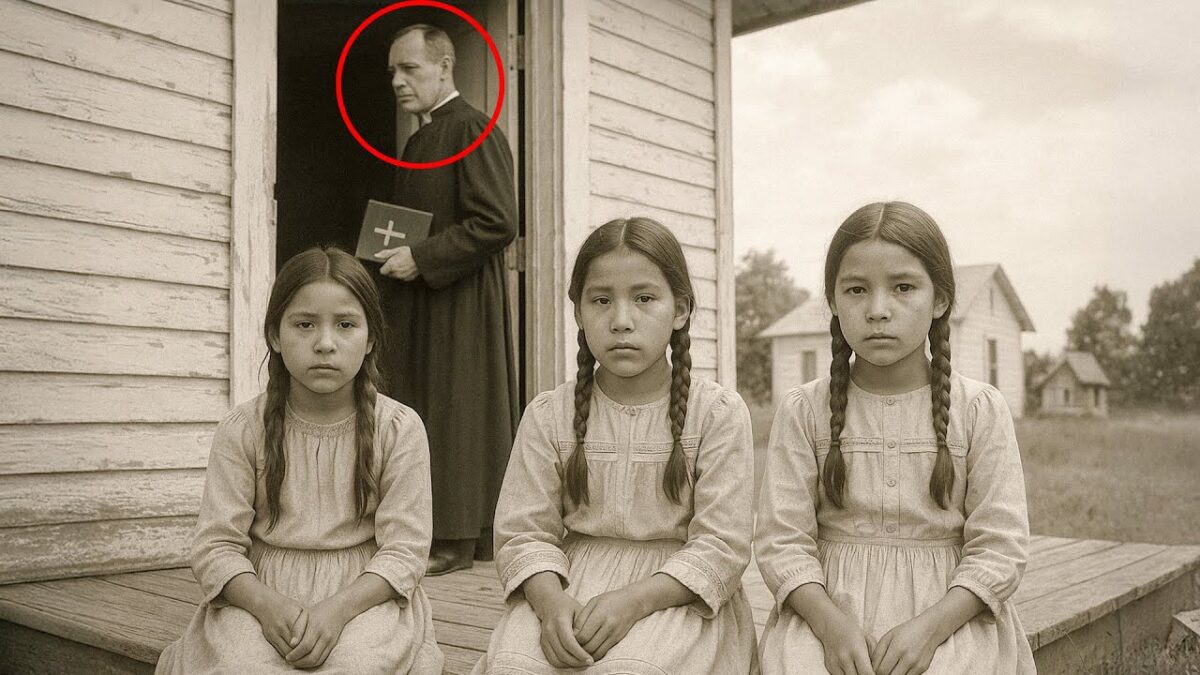
In September 1985, Samuel Yazzie traveled to Utah carrying a marriage certificate that he believed belonged to his younger sister, Rose. Forty years earlier, Rose and their older sister, Lena, had left their northern Arizona community after officials promised them educational and employment opportunities. Their family was told the arrangement would be temporary, but the sisters never returned, and correspondence requesting contact had apparently been withheld.
The documents Samuel recovered showed that Lena and Rose had been assigned different surnames and transferred to separate institutions. Rose had been recorded as Ruth Young, while Lena appeared under the name Helen Young. The altered identities made tracing their later lives extremely difficult.
Samuel contacted the address listed on Rose’s 1954 marriage certificate and discovered that a woman named Ruth lived there. When he introduced himself and explained why he had come, the woman became emotional. She remembered her childhood home in Arizona, her parents, and a younger brother named Samuel.
Rose was alive.
She had spent decades believing that her family no longer wanted contact with her.
Rose explained that after leaving Arizona, she and Lena were separated and transferred to different institutions. She had repeatedly asked to write home, but staff members told her that her letters could not be sent. Eventually, she was informed that her family had moved away and could not be located.
After several years, Rose was placed in domestic employment under the name Ruth Young. She later married and built a life in Utah. Although she never forgot her original family, she lacked the records and resources needed to locate them.
Samuel told Rose that their parents had searched for both sisters for years. Their mother had died in 1968, and their father in 1976, never learning what happened to the daughters they expected to return in 1945.
The reunion brought joy and grief. Rose had survived, but forty years of family life had been lost.
Samuel continued searching for Lena. Hospital records from Colorado showed that she had received medical treatment in 1951. Additional documents revealed that she later worked at a textile factory under the name Helen Young.
Investigators examining the fictional records eventually located a death certificate indicating that Lena had died in 1972. The certificate listed no known relatives, even though her family had spent decades searching for her.
Samuel traveled to the cemetery where Lena was buried and arranged for a marker acknowledging her birth name and family connections. Rose accompanied him, carrying a photograph of the sisters taken before they left Arizona.
Together, they began documenting their experiences and collecting surviving records. Their goal was to preserve the story for younger relatives and ensure that Lena’s identity would not remain hidden behind an administrative name.
The recovered documents also raised broader questions about how the fictional program handled family contact, transfers, and recordkeeping. Samuel shared copies with community representatives and requested an independent review of the institution’s practices.
By 1986, Rose had visited her childhood community for the first time in forty-one years. She met relatives who had grown up hearing stories about the missing sisters and visited the home where she had lived as a child.
Samuel kept the original photograph from the abandoned filing cabinet. It showed Lena and Rose standing outside an institution, separated from the family who loved them.
For decades, he had wondered whether his sisters had forgotten their home.
The records revealed that they had repeatedly tried to reach it.
Rose’s return could not restore the years that had been taken from the family, and Lena’s death meant that one reunion would never happen.
But Samuel’s discovery finally gave both sisters back their names, their history, and their place in the family’s story.








