PART 3 — THE TRUTH INSIDE THE HOUSE
PART 3 — THE TRUTH INSIDE THE HOUSE
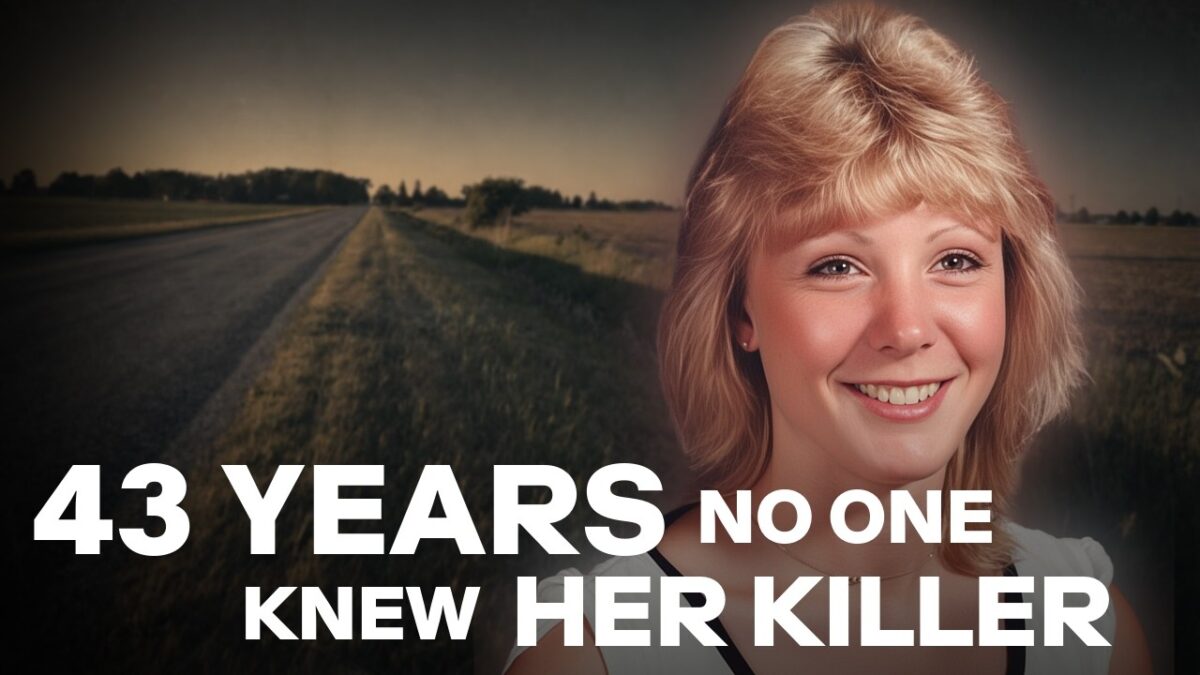
By July 2008, detectives investigating Natalie Brooks’s death had uncovered serious contradictions in her husband’s account. Michael Brooks claimed he discovered his wife after returning from work, but security footage showed that he left his warehouse shift for nearly two hours during the night.
The financial evidence raised additional questions.
Natalie had discovered that loans had been obtained using her identity without her permission. Investigators found a substantial life insurance policy and a private bank account that Michael had never disclosed.
Natalie’s sister, Amanda, remembered their final conversation.
Natalie had promised to explain something troubling about the family’s finances the following morning.
She never had the opportunity.
Detectives examined the black bag visible inside Michael’s vehicle as he drove away from the neighborhood at 2:08 a.m. Investigators searched routes between the house and the warehouse, eventually locating a roadside drainage area where several items had been discarded.
Among them were cleaning materials, a damaged mobile phone, and clothing consistent with what Michael had worn that evening.
Forensic testing revealed traces of Natalie’s blood on one of the recovered items.
Investigators also recovered deleted messages from Michael’s computer. Several suggested that Natalie had confronted him about unauthorized financial transactions and threatened to report the matter.
One message, written shortly before her death, stated:
“If you don’t tell me the truth tonight, I’m going to the police.”
The evidence suggested that Michael had returned home during his shift and argued with Natalie. Prosecutors alleged that the confrontation became violent and resulted in her death.
Investigators believed Michael then attempted to clean portions of the house before returning to work, hoping his employment records would support his claim that he had been away all night.
But he had overlooked several details.
The muddy driveway did not match his clean shoes.
His vehicle had been recorded leaving the warehouse.
And the financial documents Natalie discovered provided investigators with a possible motive.
When confronted with the forensic evidence, Michael changed his account again. He admitted returning home but claimed Natalie had already been injured when he arrived.
Investigators found that explanation inconsistent with the physical evidence and the timeline reconstructed from security recordings.
Michael was arrested and charged with murder.
During the fictional trial, prosecutors presented the warehouse footage, recovered financial records, and forensic findings. They argued that Michael had killed Natalie after she discovered the unauthorized loans and threatened to expose him.
The defense challenged the timeline and disputed the prosecution’s interpretation of the physical evidence.
After several weeks of testimony, the jury found Michael guilty.
For Natalie’s family, the verdict brought accountability but could not erase the loss.
Amanda later described how difficult it had been to accept that the person who called emergency services had also been the person investigators believed was responsible.
She remembered Natalie talking excitedly about her future.
The young woman had been married for only eight months. She hoped to build a family, advance in her career, and purchase a home.
Instead, her life ended inside the house she believed would be the beginning of something wonderful.
Following the trial, Amanda established a small memorial scholarship in Natalie’s name for students pursuing healthcare careers.
Each year, the family gathered to remember her birthday rather than the anniversary of her death.
The case remained a painful reminder that the most important evidence is sometimes hidden in ordinary details.
A clean pair of shoes.
An unexplained drive.
A second set of keys.
And two hours that a husband could never satisfactorily explain.
Michael had believed his overnight shift would protect him from suspicion.
Instead, the security footage from that workplace became one of the strongest pieces of evidence against him.
The truth had been recorded while the town slept.








